
"slightly tipsy"
180 article(s) found

Ethiopian Coffee producing areas distribute Ethiopian Coffee beans stories Ethiopian Coffee
Professional coffee knowledge exchange more information on coffee beans Please follow the coffee workshop (Wechat official account cafe_style) Coffee first discovered that the Kafa continent in southern Ethiopia was located in the place name Kaffa, and it was not officially named after Coffee until the 18th century. The geographical environment of Ethiopia is very suitable for coffee growth. nowadays, coffee is mainly grown between 1100 meters and 2000 meters above sea level.

Description of Flavor in Coffee growing area in Kenya introduction of Grinding scale by Variety treatment method
Flavor description of coffee growing areas in Kenya the grinding scale of the variety treatment method introduces that the Kenyan government takes the coffee industry very seriously, where it is illegal to cut down or destroy coffee trees. Kenyan coffee buyers are world-class high-quality coffee buyers, and no other country can grow, produce and sell coffee on a continuous basis like Kenya. All the coffee beans

Fragrant Ethiopian coffee flavor and taste introduce fine coffee beans in Ethiopian coffee producing areas
Ethiopian people are addicted to coffee. In 2003, domestic consumption accounted for 42.3% of the total output, with a per capita consumption of 3 kg. But more than half of the coffee produced each year is used for export to earn foreign exchange. The main exporters include the United States, Italy, the United Kingdom, Sweden, Norway, Greece, France, Belgium, Germany and Australia. Before 1974, the right to produce, process and trade coffee was controlled by

Introduction to the producing area of grinding scale varieties by the method of describing the flavor of Ethiopian Sidamoguji coffee beans
Ethiopian Sidamoguji Coffee Bean Flavor description processing method Grinding Calibration Variety production areas introduce the natural characteristics of coffee beans including large

World-famous Ethiopian Coffee
Following Cafe Review (Wechat official account vdailycom) found that Beautiful Cafe opened a small shop of its own. The world-famous Ethiopian coffee mainly has: 1. Limu coffee grows between 1400 meters and 2000 meters above sea level. Wash the coffee. Excellent quality, with strong nut aromas, suitable acidity, with the intensity of wine. The annual output is 29000 tons. 2. Jima Coffee growth

Distribution of Ethiopian Coffee production how to make good Coffee in Ethiopia
Professional coffee knowledge exchange more information on coffee beans Please follow the coffee workshop (Wechat official account cafe_style) Coffee first discovered that the Kafa continent in southern Ethiopia was located in the place name Kaffa, and it was not officially named after Coffee until the 18th century. The geographical environment of Ethiopia is very suitable for coffee growth. nowadays, coffee is mainly grown between 1100 meters and 2000 meters above sea level. Now

Coffee beans small, aromatic Ethiopian coffee beans grinding degree roasting degree processing method brief introduction
The world-famous Ethiopian coffee mainly includes: 1. Limu coffee grows between 1400 meters and 2000 meters above sea level. washed coffee. Excellent quality, with intense nutty aromas, moderate acidity and wine intensity. Annual production of 29,000 tons. Gima coffee grows between 1400 and 1800 meters above sea level. Sunburn coffee. Slightly sour, nutty and long finish. annual output of

The characteristics of Ethiopian Coffee Flavor and Taste Manor introduce the varieties of Ethiopian coffee
The natural characteristics of coffee beans include large coffee beans.

The trial results of the five major coffee producing areas in Guatemala can be selected and tasted according to their preferences.
Professional coffee knowledge exchange more coffee bean information please pay attention to the coffee workshop (Wechat official account cafe_style) there are generally five major coffee producing areas in Guatemala: Huehuetenango: the highest altitude, low rainfall, late ripening, fruit and flower flavor, recognized as the best coffee producing area. Antigua: dry climate, sweet coffee, with

Introduction to the flavor of Ethiopian coffee
Coffee is Ethiopia's most important export cash crop and the main source of Ethiopia's foreign exchange earnings. Ethiopia's coffee exports account for about 3% of the world market, making it the eighth largest coffee exporter in the world. Coffee exports increased steadily from 58000 tons in 1990 to 110000 tons in 1995-1996 and remained at this level in the following years. 2001-2002
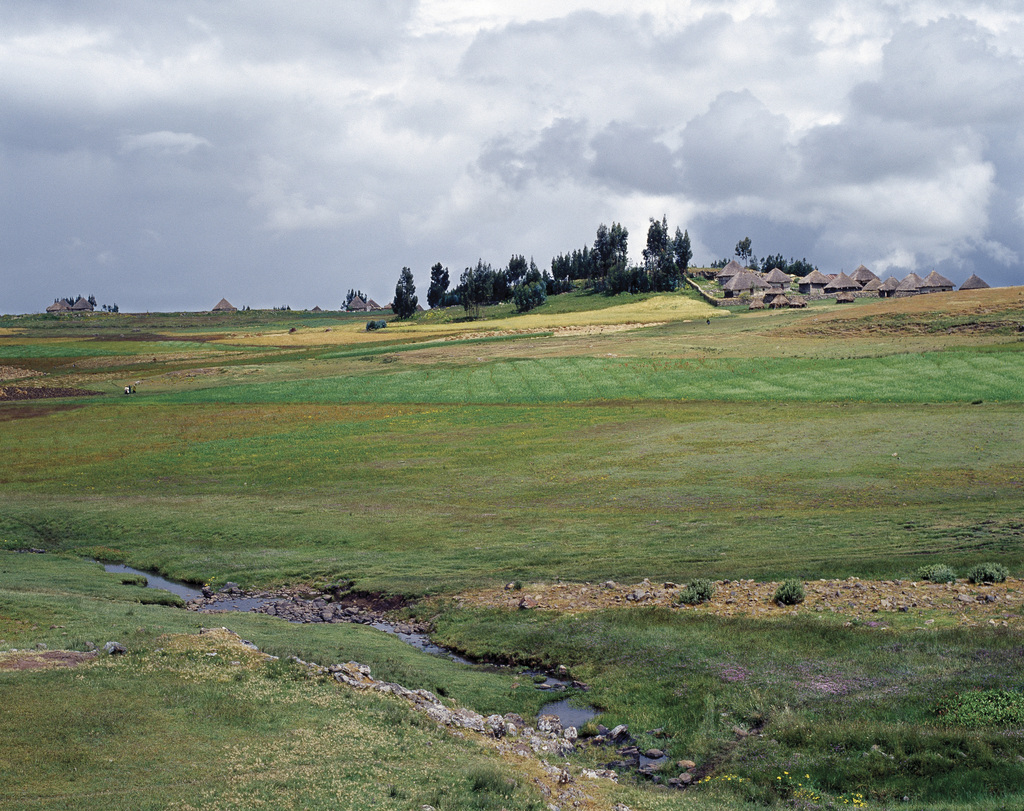
Flavor evaluation of Ethiopian coffee beans Starbucks Ethiopian varieties of coffee beans
Ethiopia is one of the major producers of Arabica coffee in Africa, producing the best Arabian coffee in the world. It is said that coffee was first discovered by shepherds in Essekafa, and the name of coffee evolved from Kafa, so Essex is still the hometown of coffee. The geographical environment of coffee production and processing is very suitable for coffee growth. Coffee is mainly cultivated.

Introduction to the production area of roasting degree and Flavor description of Ethiopian Honey Kiss Yega Chuefei Coffee
Description of the roasting degree and flavor of Ethiopian honey kiss Yega Xuefei coffee 1. Limu coffee grows between 1400 meters and 2000 meters above sea level. Wash the coffee. Excellent quality, with strong nut aromas, suitable acidity, with the intensity of wine. The annual output is 29000 tons. 2. Jima Coffee grows between 1400 and 1800 meters above sea level. Sun-baked coffee. Micro acid

Ethiopian boutique coffee Ethiopia boutique coffee flavor Ethiopian boutique coffee
Coffee is Ethiopia's most important export cash crop and the main source of Ethiopia's foreign exchange earnings. Ethiopia's coffee exports account for about 3% of the world market, making it the eighth largest coffee exporter in the world. Coffee exports increased steadily from 58000 tons in 1990-91 to 110000 tons in 1995-96 and remained at this level in the following years. 2001-2002

Ethiopian fine coffee with intense nutty aromas Taste Introduction
Coffee is Ethiopia's most important export cash crop and the main source of foreign exchange earnings. Ethiopia's coffee exports account for about 3% of the world market share, making it the eighth largest coffee exporter in the world. Coffee exports increased steadily from 58,000 tons in 1990-1991 to 110,000 tons in 1995 - 1996 and remained at that level for the next few years. 2001 - 2002

Ethiopian Limu Coffee introduces the Manor of Coffee producing area
Coffee is Ethiopia's most important export cash crop and the main source of Ethiopia's foreign exchange earnings. Ethiopia's coffee exports account for about 3% of the world market, making it the eighth largest coffee exporter in the world. Coffee exports increased steadily from 58000 tons in 1990 to 110000 tons in 1995-1996 and remained at this level in the following years. 2001-2002

Introduction to where the Ethiopian Coffee Sidamo Chiso is produced
Where does Ethiopia's Sidamasha Chiso Coffee come from? Ethiopia grows coffee in different climatic zones, so it has more than 140 farm varieties, and fresh coffee is produced all the year round. The quality of Ethiopian coffee varies according to different elevations and regional ecological environment. Harar coffee in the southeast highlands is a typical Muha coffee with a rich flavor.

Introduction of Ethiopian Coffee Coffee varieties, Brand characteristics, Flavor description, Grinding scale, Fine Coffee
Quality characteristics of Ethiopian coffee flavor description treatment sun-cured coffee accounts for 65% of exports. Mainly picked by families, red coffee beans are placed on cement floors or on high tables to dry to about 11.5% humidity, then peeled and cleaned. Coffee grading and quality control system in Ethiopia, coffee grading and quality control system is divided into producer, regional and national
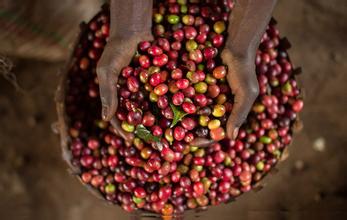
Boutique coffee beans Ethiopian coffee the latest coffee introduction unique flavor
Coffee is Ethiopia's most important export cash crop and the main source of Ethiopia's foreign exchange earnings. Ethiopia's coffee exports account for about 3% of the world market, making it the eighth largest coffee exporter in the world. Coffee exports increased steadily from 58000 tons in 1990 to 110000 tons in 1995-1996 and remained at this level in the following years. 2001-2002

The growing environment of coffee trees in Ethiopia introduces Ted Manor
Coffee is Ethiopia's most important export cash crop and the main source of Ethiopia's foreign exchange earnings. Ethiopia's coffee exports account for about 3% of the world market, making it the eighth largest coffee exporter in the world. Coffee exports increased steadily from 58000 tons in 1990 to 110000 tons in 1995-1996 and remained at this level in the following years. 2001-2002